Custom Fence Installation Solutions for Residential and Commercial Properties
Tailored fence installation services play a vital part in enhancing both residential and commercial properties. They deliver security, privacy, and curb appeal while marking property lines clearly. With a wide range of materials to choose from, property owners can select options tailored to their needs. Professional installation guarantees compliance with local codes. However, the benefits extend beyond mere installation—knowing how to select the appropriate design and material can significantly influence the property's worth. What factors should one consider when making these choices?
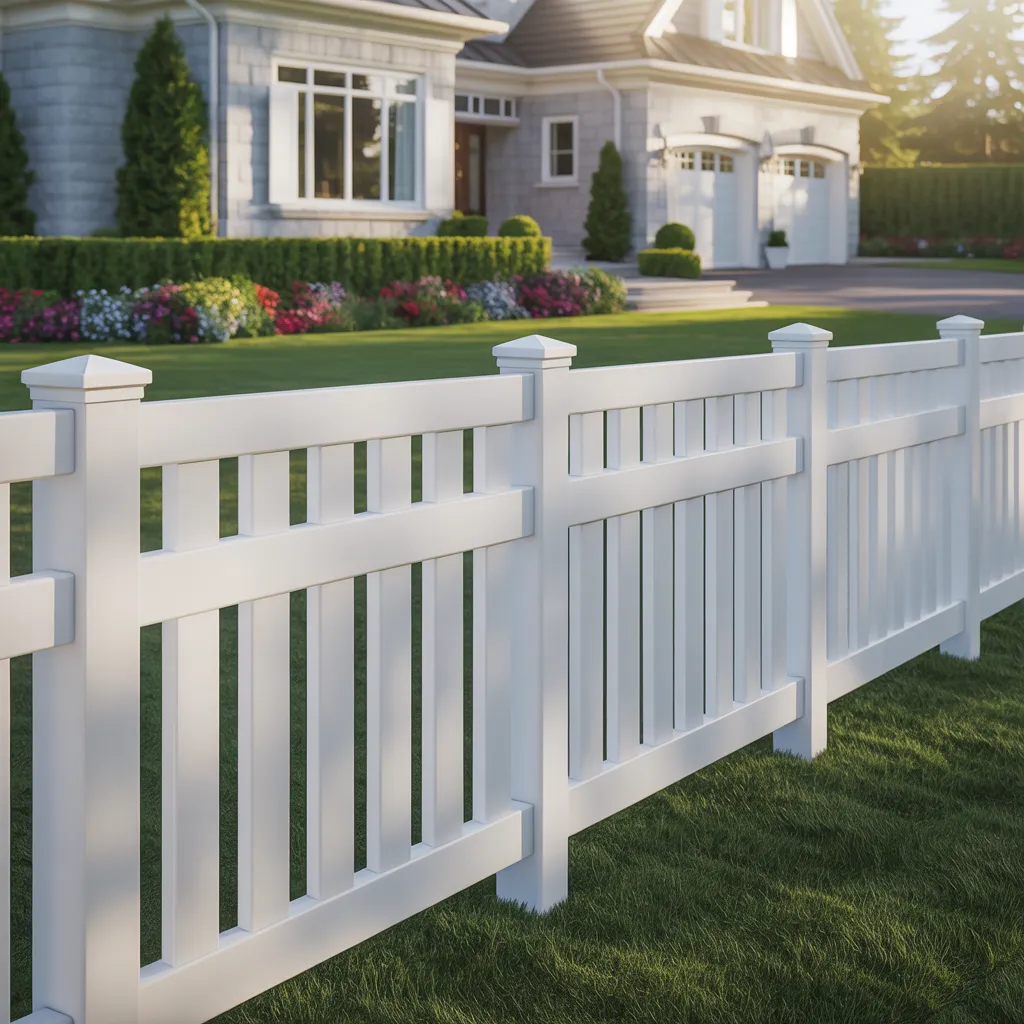
Why Custom Fences Are Essential for Your Property
When considering home improvements, most homeowners discover that custom fences are not merely an aesthetic choice but a critical investment. Custom fences provide various benefits that reach further than visual appeal. They strengthen protection by forming a tangible barrier that discourages trespassers and keeps children and pets safe. Moreover, these fences ensure privacy, allowing homeowners to enjoy their outdoor spaces free from unwanted observation.
In addition, tailored fence installations can delineate property boundaries, avoiding conflicts with neighboring properties and guaranteeing adherence to local rules and guidelines. They likewise improve the overall value of the property, making it more appealing to potential buyers.
When it comes to functionality, custom fences can be constructed to fulfill unique demands, such as gates that provide convenient entry or features that enhance the overall landscape. At the end of the day, opting for a custom fence represents a wise investment that offers numerous benefits, strengthening both the practical value of the property and the property's overall appearance.
A Comparison of Popular Fencing Materials: Wood, Vinyl, and Metal
When considering fencing options, wood, vinyl, and metal each offer notable pros and cons. Financial comparisons reveal notable distinctions in upfront costs and long-term upkeep costs. Knowing these considerations can help property owners make informed decisions aligned with their individual requirements.
Benefits And Drawbacks
A variety of fencing materials, including wood, vinyl, and metal, each provide distinct advantages and disadvantages that tend to shape the preferences of a homeowner. Wood is frequently chosen for its classic look and flexibility but requires regular maintenance to prevent decay and pests. Vinyl, on the other hand, is easy to maintain and resilient against discoloration and pests, making it a durable long-term option; however, it might not capture the classic charm of wood. Metal barriers, such as aluminum or wrought iron, delivers reliable safety and lasting strength but may come at a higher cost and may call for routine attention to prevent deterioration. Each option showcases individual traits, permitting homeowners to consider their individual priorities and tastes when identifying the most suitable fencing choice.
Cost Comparisons
As homeowners commonly emphasize aesthetics and functionality when selecting fencing materials, expenses remain a key element when making their final decision. Wooden fencing generally offers a more affordable upfront cost yet demands regular upkeep, potentially driving up total expenditures. Conversely, vinyl options, though more expensive initially, provide long-lasting performance and low maintenance, making them an economical option in the long run. Metal fencing, including aluminum and steel, usually carries a higher initial cost but is renowned for its longevity and resistance to weather-related damage, thereby reducing future repair costs. At the conclusion of the decision process, the total cost of ownership—factoring installation, maintenance, and lifespan—ought to direct property owners in choosing the most appropriate fencing option for their residential or commercial properties.
Finding the Ideal Fence Design for Your Yard
Choosing the best fence option for a property can greatly enhance both the aesthetics and functionality explore the details of a residence. Homeowners and property managers must consider multiple factors when choosing a style, including the intended purpose of the fence, regional guidelines, and the design aesthetic of the home. Privacy fences, for one thing, are well-suited for establishing sheltered outdoor areas, while picket fences often enhance the visual appeal of the home and deliver a inviting aesthetic.
Material selection plays a considerable role as well; wood delivers a timeless aesthetic, while vinyl or metal can offer long-lasting performance and minimal upkeep. Furthermore, colors and designs ought to harmonize with the surrounding environment and existing structures. Ultimately, the right fence design not only defines boundaries but also contributes to the overall character of the property, making thoughtful selection essential for achieving desired outcomes.
Why You Should Choose Professional Fence Installation
Choosing professional fence installation ensures that the job is finished with knowledge and thoroughness. Skilled contractors have the required expertise and knowledge to navigate the intricacies of diverse fencing materials and configurations. They understand local building codes and zoning regulations, guaranteeing adherence and preventing possible legal complications.
Moreover, employing professionals typically results in a speedier installation process, as they have access to professional-grade tools and supplies. This capability not only cuts down on time but also minimizes disruption to the homeowner's daily activities. Additionally, professional installers can share knowledgeable tips and personalized recommendations designed for the specific needs of the residence, elevating the quality of the outcome.
In addition,opting for professional installation typically offers guarantees, offering assurance about the strength and lifespan of the fence. In summary, selecting professional fencing services is a wise choice for all types of properties, delivering a high-quality outcome.
How Does Custom Fencing Enhance Security?
Custom fencing plays a crucial role in strengthening security at residential and commercial properties. Through the creation of a physical barrier, it discourages trespassers and unauthorized entry. The height, material, and design of custom fences can be tailored to meet specific security needs, creating significant obstacles for intruders attempting to scale or breach the barrier.
In addition, various customized fencing solutions can be fitted with advanced security elements, such as gates equipped with surveillance cameras, motion sensors, or locks, adding an extra layer of protection. The visibility of a expertly crafted fence can further serve as a powerful deterrent, leaving properties unappealing targets for criminal activities.
Additionally, bespoke fencing can be constructed to obscure visibility into the property, minimizing the intelligence that would-be intruders may collect. Overall, investing in custom fencing greatly enhances the security posture of any property, guaranteeing confidence and comfort for property owners and occupants.
Improving Curb Appeal With Custom Fencing
A thoughtfully planned fence can markedly elevate the overall aesthetic appeal of a property, immediately improving its exterior. Custom fencing solutions offer a diverse array of materials, styles, and finishes that can complement the structural characteristics of a home or business. No matter if you select a conventional picket enclosure, a sleek modern design, or a traditional wooden structure, the perfect option can improve the entire appearance.
Furthermore, bespoke fences can be adapted to fit specific landscapes, ensuring a natural harmony with outdoor spaces and gardens. By adding decorative elements, such as ornamental post caps or latticework, residents can deeply personalize their fencing solution, turning it into a focal point.
The striking appearance of a personalized fence goes beyond drawing attention and reflects the property owner's sense of style and commitment to quality, effectively establishing a warm and appealing atmosphere for neighbors and visitors alike.
Budgeting for Your Custom Fence Project
Setting a budget for a custom fence installation demands thoughtful evaluation of upfront costs and possible unforeseen charges. Setting a realistic budget is essential to avoid financial strain, since unforeseen costs may emerge throughout the installation process. Being aware of these considerations allows homeowners to make well-informed choices and achieve their fencing goals within their financial constraints.
Creating a Realistic Budget
Setting a realistic budget is essential for homeowners and business owners thinking about installing a fence. Homeowners and business owners alike must first assess their needs and preferences, including the style of materials, layout, and overall scope of the fence. Investigating regional costs for both materials and labor allows for an accurate starting budget. Additionally, it is vital to account for potential variations in pricing based on factors such as location and complexity of installation. Allocating a reserve fund for unforeseen costs can offer valuable financial security. By thoroughly evaluating all these aspects, individuals can create a thorough budget that aligns with their vision while ensuring they stay within their financial means, resulting in a smoother and more successful fence installation.
Hidden Fees to Take Into Account
What unforeseen expenses should be considered during a custom fence installation project? Homeowners should prepare for several potential hidden costs. To begin with, site preparation might necessitate extra grading or clearing, particularly in areas with uneven terrain. Licensing fees can also take homeowners by surprise, as local ordinances commonly require permits for fence projects. Moreover, if the existing landscape includes obstacles like roots or rocks, removal costs can escalate quickly. Beyond that, property owners may encounter unforeseen labor expenses if the project experiences delays or setbacks. Once installation is complete, ongoing maintenance costs, such as refinishing or repairs, should be accounted for in the overall budget. By taking these additional expenses into account, homeowners can develop a more precise budget for their custom fence installation.
Care Tips for Long-Lasting Custom Fences
Although custom fences can enhance the aesthetic appeal and security of a property, regular upkeep is essential to ensure their durability. Routine inspections are crucial; residents should examine for evidence of wear, like fractures or rotting, especially in wood fencing. Regularly cleaning the fence aids in eliminating dirt and buildup that may lead to degradation. When it comes to wooden fences, using a sealant or weather-resistant stain every couple of years can guard against moisture damage and sun-related deterioration.
Metal fence installations, by contrast, should be checked for corrosion and rust. Applying a rust-inhibiting paint can greatly extend their lifespan. Furthermore, ensuring that foliage does not overtake the fence can reduce moisture retention and deterioration. Finally, quick resolution of any defects can mitigate larger problems down the line. By following these maintenance tips, fence owners can rest assured their specially designed fences remain both functional and visually appealing for years to come.

Frequently Asked Questions
What Is the Typical Duration of the Custom Fence Installation Process?
Custom fence installation usually spans one to three days, depending on factors such as the size of the property, the materials selected, and current weather conditions. Timelines may vary according to the unique requirements and complexities of each project.
Is It Possible to Install a Custom Fence in the Winter Months?
Certainly, putting in a specialized fence during the winter season is feasible. However, the procedure may involve complications owing to ice-hardened ground and adverse weather conditions, likely increasing the duration of the installation and calling for dedicated equipment for effective results.
What Permits Are Needed for Custom Fence Installation?
Generally, a local building permit is required for custom fence installation, along with possible zoning permits. Residents are advised to check with their municipality for detailed guidelines, making sure they meet height, location, and design requirements before proceeding.
Are Warranty Options Offered for Custom Fences?
Many companies offer warranty coverage for custom fences, typically covering workmanship and materials. Terms and duration differ, so it is recommended that customers inquire about specific warranty details before moving forward with the installation.
What Should I Look for When Choosing a Fence Contractor for My Project?
To hire a fence contractor, it is advisable to research local options, check reviews, verify licenses and insurance, obtain thorough price quotes, and review prior installations. Responsiveness and professional conduct during first discussions also suggest trustworthiness and high standards of work.